Part of what makes nature fascinating is the unique adaptations that diverse plants showcase. One of these adaptations is the tube-like structures some of the flora have.

Think of plants that sip through a straw, bloom trumpet-like flowers, have hollow stems, or tubular leaves.
In this post, we’ll discover five unique plants with tube-like structures and how these designs help them thrive in their environments.
1. Pitcher Plant (Nepenthes and Sarracenia spp.)
One of the most renowned examples of plants that rely on tubular structures for survival belongs to the Nepenthes and Sarracenia species. Pitcher plants live on a carnivorous diet that includes insects, frogs, and other small mammals.
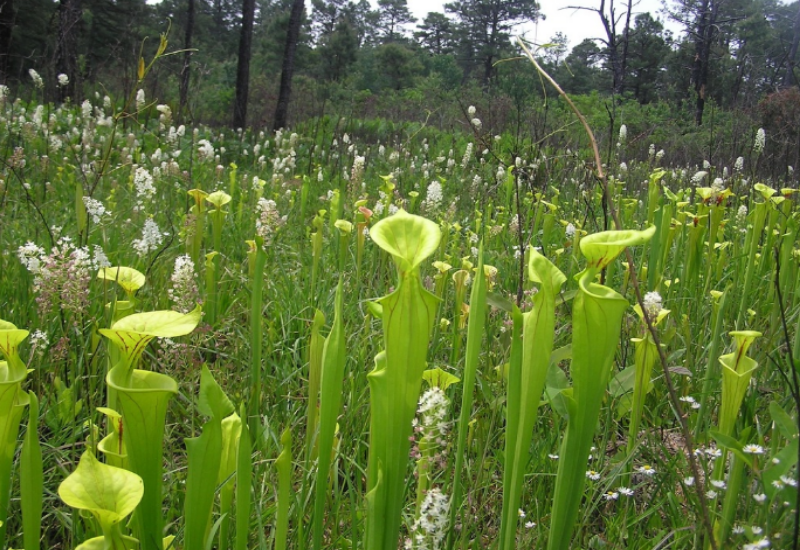
What forms their unique diet-capturing mechanism? They have evolved tube-like leaves that form a narrow, hollow pitcher with a lid.
The leaf hood forms a natural trap filled with nectar, and once inside, the prey falls into the digestive juices, becoming the wildflower’s food supplement for growing in nutrient-poor soils.
2. Corey Honeysuckle (Lonicera sempervirens)
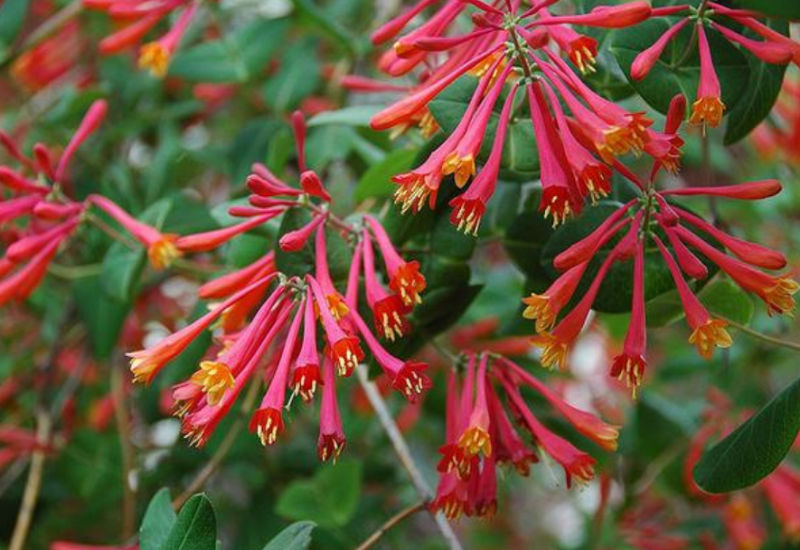
Corey Honeysuckle is a twinning vine that can grow 20-30 feet tall. This North American native also boasts of striking, red, trumpet-shaped flowers that have four upper lobes and one lower lobe.
What makes these showy flowers fascinating is that they are non-fragrant, yet they produce sweet nectar that’s a magnet for hummingbirds. It’s the only bird with the right morphology to reach it. As they feed, the birds enable efficient pollination by transferring pollen from flower to flower.
3. Horsetail (Equisetum spp.)

Horsetails are vascular plants that date back to prehistoric times. Their distinct green, jointed, hollow stems have, over the millennia, helped the plant to stand upright without the need for woody tissue. This adaptation allows the plants to get maximum sunlight, especially in crowded environments.
Additionally, the tube-like stems also facilitate internal aeration, water management, and defense, making it resistant to herbivore and mechanical damage. All these adaptations help the plant survive and thrive in its environment.
4. Calla Lily (Zantedeschia spp.)
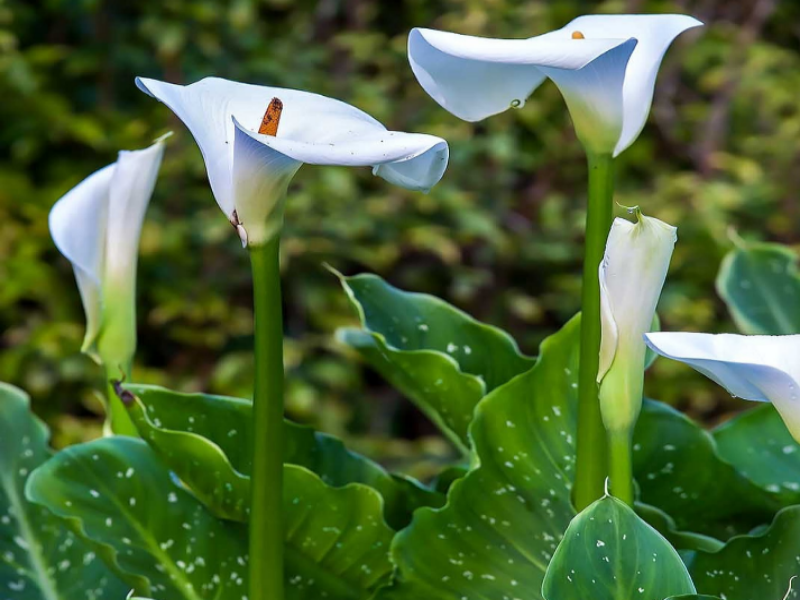
The elegant Calla Lily features a funnel-shaped tube, known as a spathe, that wraps around the reproductive spike. While often confused for petals, it is a pollinator attractant that guides the insects to the well tucked flowers beneath.
In some of the lily species, the surface of the tube-like spathes may be smooth and slippery, causing even the unhelpful insects to carry pollen, and thereby increasing pollination success.
Overall, the tube-like structure is not only highly designed for reproductive success, but it also creates an inviting and mesmerizing appeal that captures the hearts of many.
5. Bamboo (Bambusoideae)
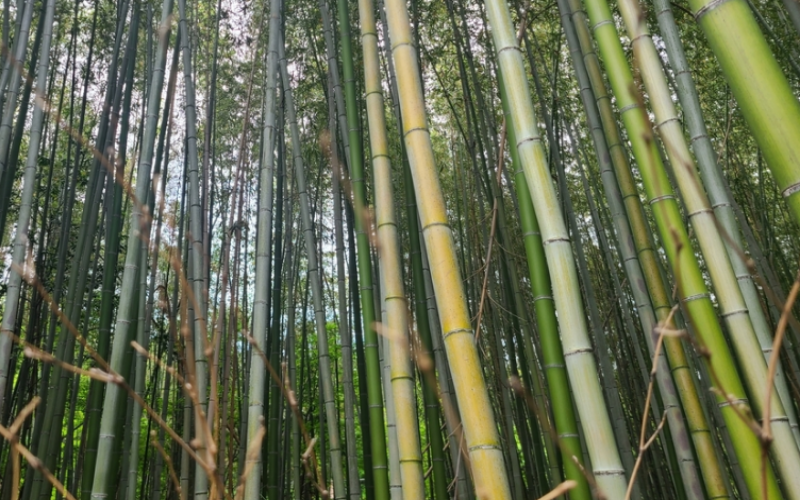
Bamboo is a fast-growing plant with one of the most iconic and functional tube-like structures, the culms. The hollow stems provide mechanical strength, allowing them to withstand strong winds and heavy rain.
Additionally, the jointed culms also enable the bamboo to reach impressive heights quickly. They also support aeration, water, and nutrition transport, and provide protection against pests and fungal attacks.
Bamboo tube-like stems can balance strength, speed, and sustainability. That’s why it’s not only a vital plant in environmental restoration but it’s also one of the most valuable resources in diverse industries such as textile and construction.

Lead Editor for Insight Weeds.