Like many nations in East Africa, Ethiopia was searching for trees that could counter soil erosion and reverse desertification. The Prosopis tree came highly recommended.
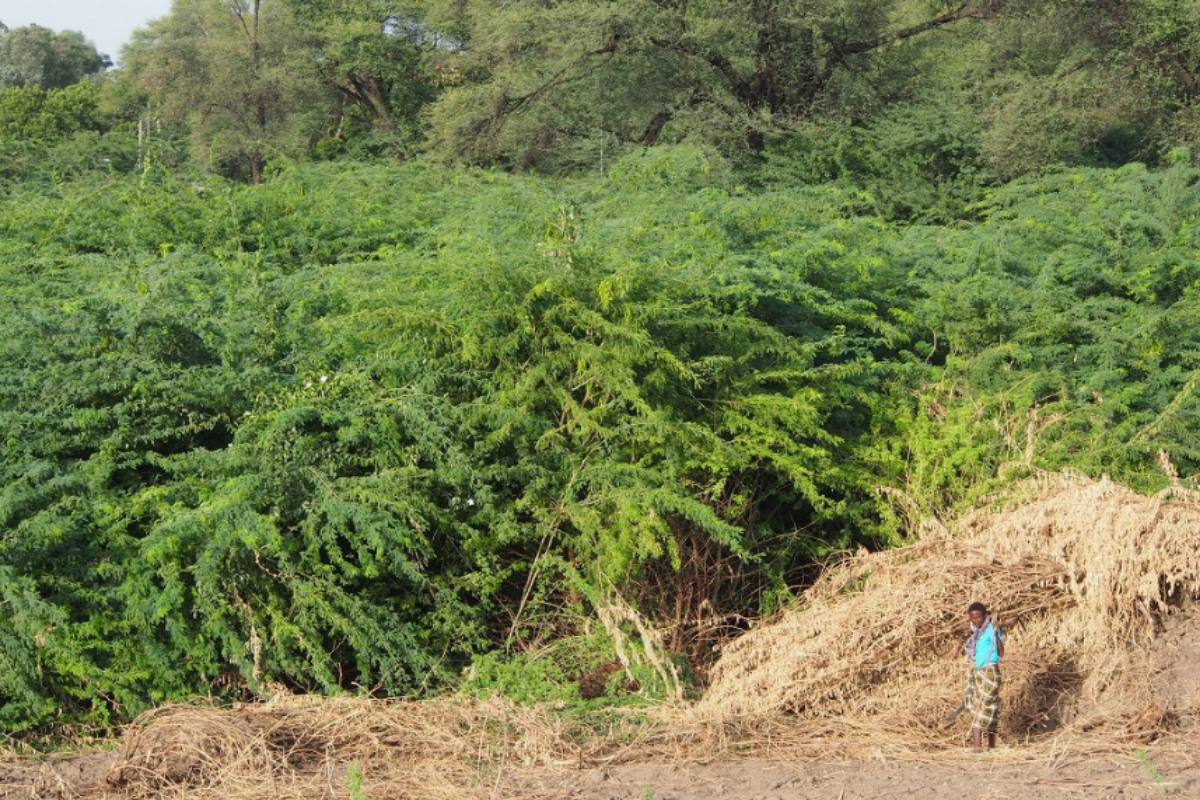
At first, it was considered beneficial as it spread rapidly, withstood harsh conditions, and had high survival rates even in degraded lands.
Today, the South American native tree has turned against the Ethiopian landscape and its people.
The Negative Outcomes of the Prosopis Trees in Ethiopia
Several decades after their introduction in the Afar region, the Prosopis trees have overrun the region, turning it into thorny plains. Over 20,000 square kilometres, and it’s spreading into Oromia and Amhara.
Not only does it grow up to 10 metres high, towering over other beneficial vegetation, but its mighty growth also demands large amounts of groundwater.
It is estimated that each tree can draw up to seven litres of water every day through its deep root system.
For the people living in the affected regions, the negative impacts run further and deep.
“Because of this plant, we’re poor,” Khadija Humed, a local livestock farmer, says.
The tree pods make the livestock sick, sometimes blocking their mouths and stomachs, choking, or killing them. These consistent losses are plunging many communities into poverty.
“I personally have 10 cows and more than 20 goats and sheep. But before Prosopis, people here used to have 50 to 100 cattle,” she adds.
Additionally, the tree’s dense foliage is a favorite of many wild animals. This has led to increased livestock attacks, further exacerbating the situation.
The wildlife attacks not only happen while the livestock are foraging, but animals like hyenas, foxes, and lions are now also invading the villages.
The Prosopis Trees Eradication Plan
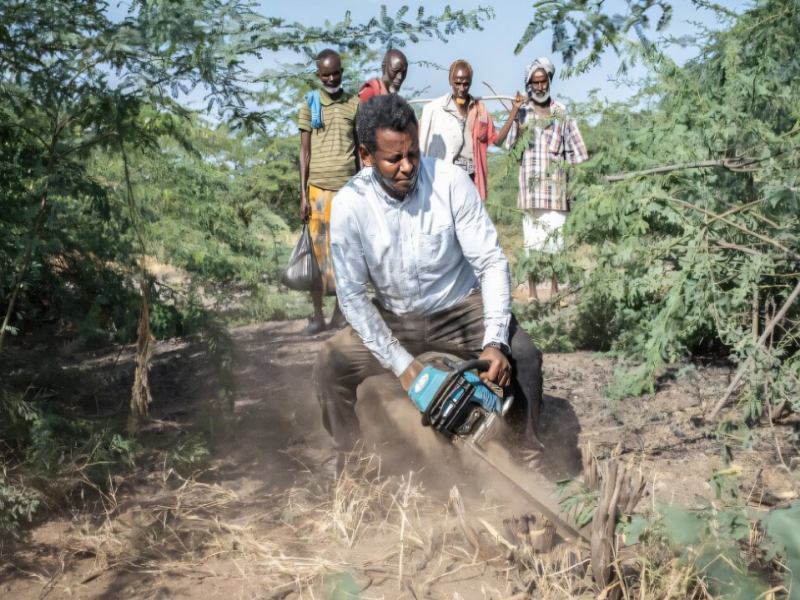
The Prosopis tree invasion is currently estimated to cover about 8% of Ethiopia. It will probably cover over 1 million square kilometres by 2060, or close to 22% of the country, if not quickly eradicated.
With the invasion costing the Afar region about $600 million over the past thirty years, different organizations have undertaken initiatives to control the prosopis spread.
The Danish fund, Danida, for instance, encourages locals to harvest the plant and plant fruit orchards. However, more remains to be done if the country is to bring the tree invasion under control.

Lead Editor for Insight Weeds.