Growers follow a strict weed control regimen to ensure quality, bumper harvests. However, herbicide failure is an ever-present possibility.
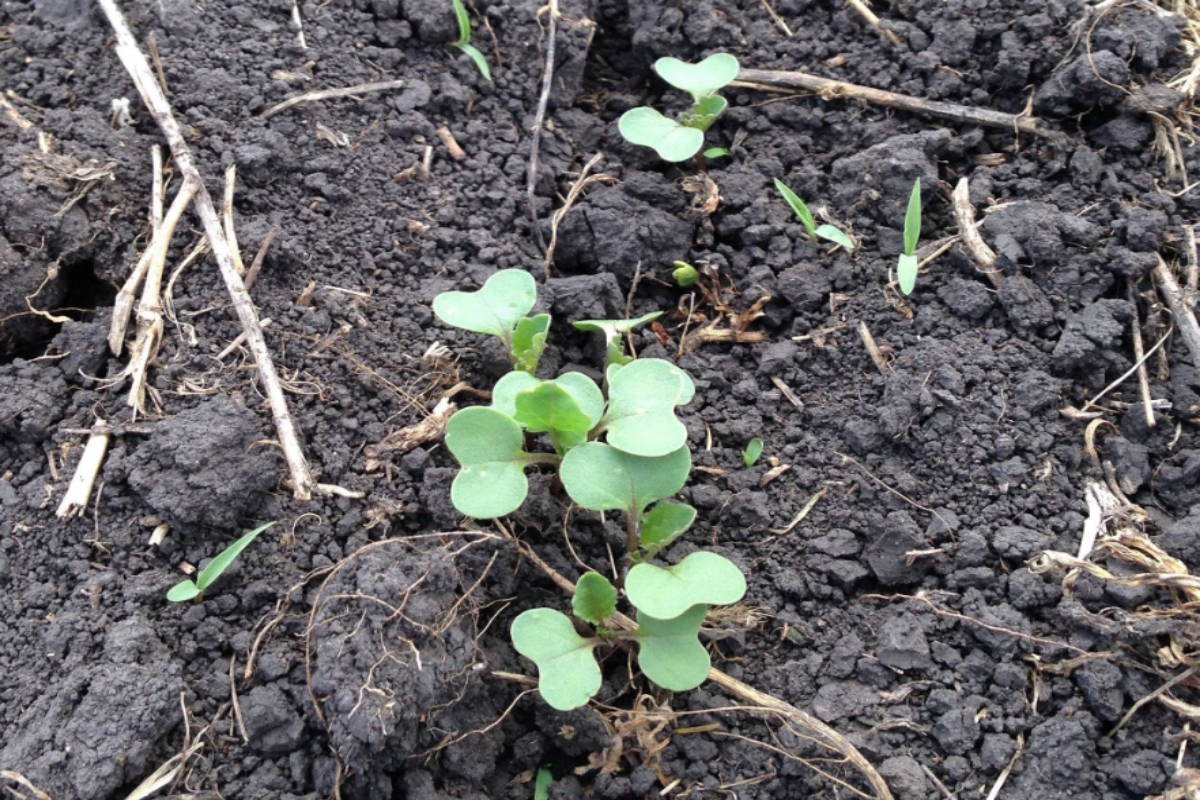
A recent example is the widespread failure of clethodim in controlling ryegrass in New South Wales’ canola farms. The post-emergent herbicide has provided reliable control against the stubborn grass weed in canola crop systems for many years.
In 2025, however, farmers and extension experts noticed increased clethodim failure, particularly in canola crops.
What is Contributing to the Widespread Clethodim Resistance in NSW?
Extension experts have pointed out some key factors that may have led to the massive clethodim resistance.
1. Seasonal Changes
Persisting dry conditions in parts of NSW meant that farmers dry-sowed their canola crops without or with delayed pre-weeding control. Pre-emergent herbicides like propyzamide and trifluralin depend on moist soil conditions for effective uptake.
The ripple effect was that the farmers relied heavily on in-crop clethodim, increasing selection pressure on ryegrass.
2. High Weed Seedbank Carryover
Previous wet years have also left farmers with a large carryover seed bank. Already struggling with poor weed control using standard clethodim applications, higher ryegrass populations compounded the problem year-to-year.
3. Cold Environmental Conditions
Clethodim works best during warmer temperatures and when the weeds are actively growing. Colder conditions reduce the herbicide’s efficacy, allowing more weeds to survive and giving resistant weeds a bigger advantage to compete with the crop.
4. Over-Reliance on Clethodim
As one of the few effective herbicides for weed control, farmers have been using clethodim year after year to cater to the tight canola-wheat-canola rotation.
For this reason, the selection pressure allows resistant populations to increase in prevalence, and clethodim becomes a weak link in the chain.
While farmers have been mixing clethodim with metazachlor or butroxydim to reduce resistance, unfortunately, some ryegrass populations have only gained resistance to the three herbicides.
Practical Approaches to Manage Clethodim Resistance
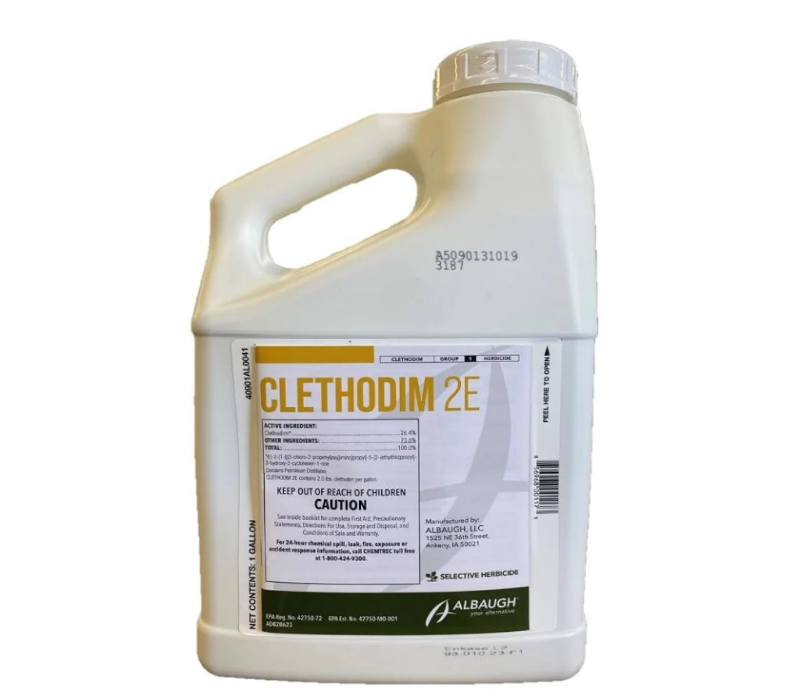
Agronomy advisors and extension experts recommend the following approaches to minimize the impact of clethodim resistance:
- Diversify herbicide modes of action
For instance, rotate glyphosate-tolerant canola hybrids with triazine-tolerant and imidazolinone-tolerant hybrids. Using different herbicides spreads pressure across several chemistries, reducing over-reliance on clethodim.
- Mix herbicides and sow early
A combination of mixing and rotating pre-emergent herbicides and sowing early will help reduce the ryegrass seedbank
- Broaden Crop Rotation
Occasional rotations from the wheat-canola systems can also help reduce weed seed banks. Examples of legumes that can compete with ryegrass include faba beans and field peas.
Routine double-breaks can also allow alternative weed management tactics, as well as improved soil nitrogen profile, and crop-topping.

Lead Editor for Insight Weeds.